1
/
of
1
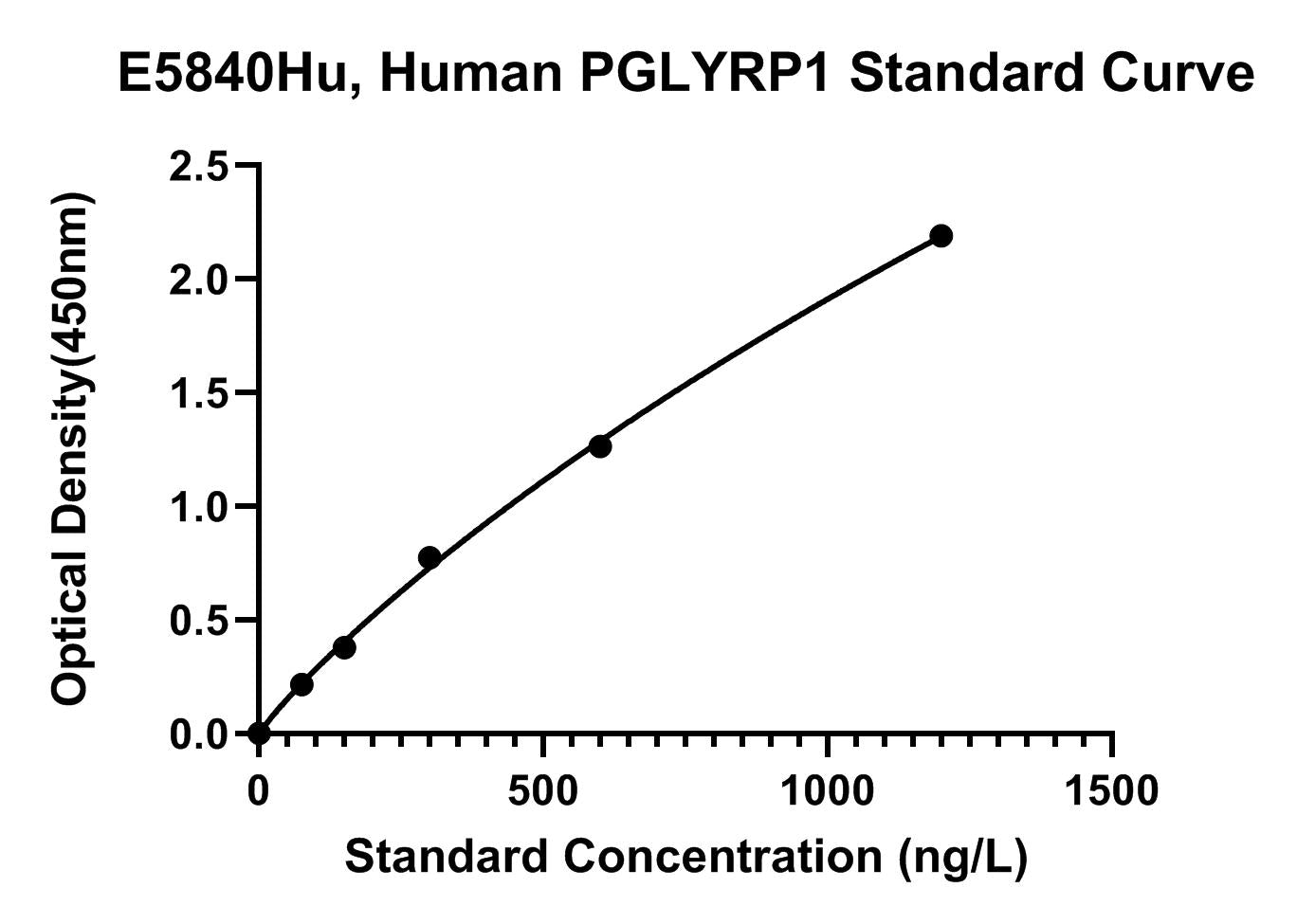
Human PGLYRP1 (Peptidoglycan Recognition Protein 1) ELISA Kit
Human PGLYRP1 (Peptidoglycan Recognition Protein 1) ELISA Kit
The Human (PGLYRP1) Peptidoglycan Recognition Protein 1 ELISA Kit measures Peptidoglycan Recognition Protein 1 in samples. The plate has been pre-coated with Human PGLYRP1 antibody. PGLYRP1 present in the sample is added and binds to antibodies coated on the wells. And then biotinylated Human PGLYRP1 Antibody is added and binds to PGLYRP1 in the sample. Then Streptavidin-HRP is added and binds to the Biotinylated PGLYRP1 antibody. After incubation unbound Streptavidin-HRP is washed away during a washing step. Substrate solution is then added and color develops in proportion to the amount of Human PGLYRP1. The reaction is terminated by addition of acidic stop solution and absorbance is measured at 450 nm.
Catalog No:
E5840Hu
Regular price
$595.00 USD
Regular price
$458.00 USD
Sale price
$595.00 USD
Unit price
/
per
2.5 weeks
Couldn't load pickup availability
Product Details
Species Reactivity
Human
Sensitivity
4.28 ng/L
Detection Range
10-2000 ng/L
Sample Type
Serum, plasma, cell culture supernates
Incubation(s)
1.5 hour(s)
Background
Innate immunity protein that plays several important functions in antimicrobial and antitumor defense systems. Acts as a pattern receptor that binds to murein peptidoglycans (PGN) of Gram-positive bacteria and thus provides bactericidal activity (PubMed: 9707603). Forms an equimolar complex with heat shock protein HSPA1A and induces programmed cell death through apoptosis and necroptosis in tumor cell lines by activating the TNFR1 receptor on the target cell membrane (PubMed: 21247889, PubMed: 26183779). In addition, acts in complex with the Ca(2+)-binding protein S100A4 as a chemoattractant able to induce lymphocyte movement (PubMed: 26654597). Mechanistically, this complex acts as a ligand of the chemotactic receptors CCR5 and CXCR3 which are present on the cells of the immune system (PubMed: 30713770). Promotes also the activation of lymphocytes that become able to kill virus-infected cells as well as tumor cells by modulating the spectrum of their target-cell specificity (PubMed: 29083508, PubMed: 28977785). Induction of cytotoxicity on monocyte surface requires interaction with TREM1 receptor (PubMed: 28977785, PubMed: 25595774). Source: UniProt Consortium (2025)
Shipping Condition
Shipped on cold gel packs.
Storage Condition and Shelf Life
2-8C
Analyte
Peptidoglycan Recognition Protein 1
Regulatory Status
For Research Use Only