TARC (CCL17) ELISA
TARC (CCL17) ELISA
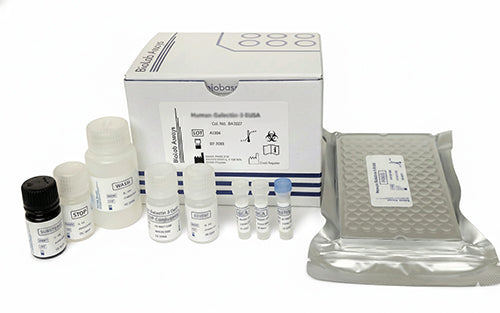
The TARC/CCL17 ELISA is an enzyme immunoassay for the quantitative determination of TARC/CCL17 in human serum.
TARC (thymus and activation-regulated chemokine) ELISA, also known as C-C motif chemokine ligand 17 (CCL17) ELISA, is expressed in the thymus and is produced by dendritic cells, endothelial cells, keratinocytes, and fibroblasts1. TARC has affinity as a ligand for the C-C chemokine receptors CCR4 and CCR8 inducing Th2-dominant inflammatory reactions. The microtiter plate is coated with the monoclonal antibody specifically binding TARC protein. The human serum is incubated in the plate with the capture antibody. The specimen is washed out and the specifically bound protein is incubated with biotin-labelled detection antibody. Following another washing step, Streptavidin-HRP conjugate is added into the well. Unbound reagent is then washed out. Horseradish peroxidase (HRP) bound in the complex reacts with the chromogenic substrate (TMB) creating the blue color. The reaction is stopped by addition of STOP solution (H2SO4). The absorbance values are measured at 450 nm (optionally 450/630 nm) and are proportional to the concentration of TARC in the specimen. The concentration of TARC in unknown samples is determined from the calibration curve which is created by plotting the absorbance values against the standard concentration values.
Couldn't load pickup availability
Product Details