1
/
of
1
Human SCTR (Secretin Receptor) ELISA Kit
Human SCTR (Secretin Receptor) ELISA Kit
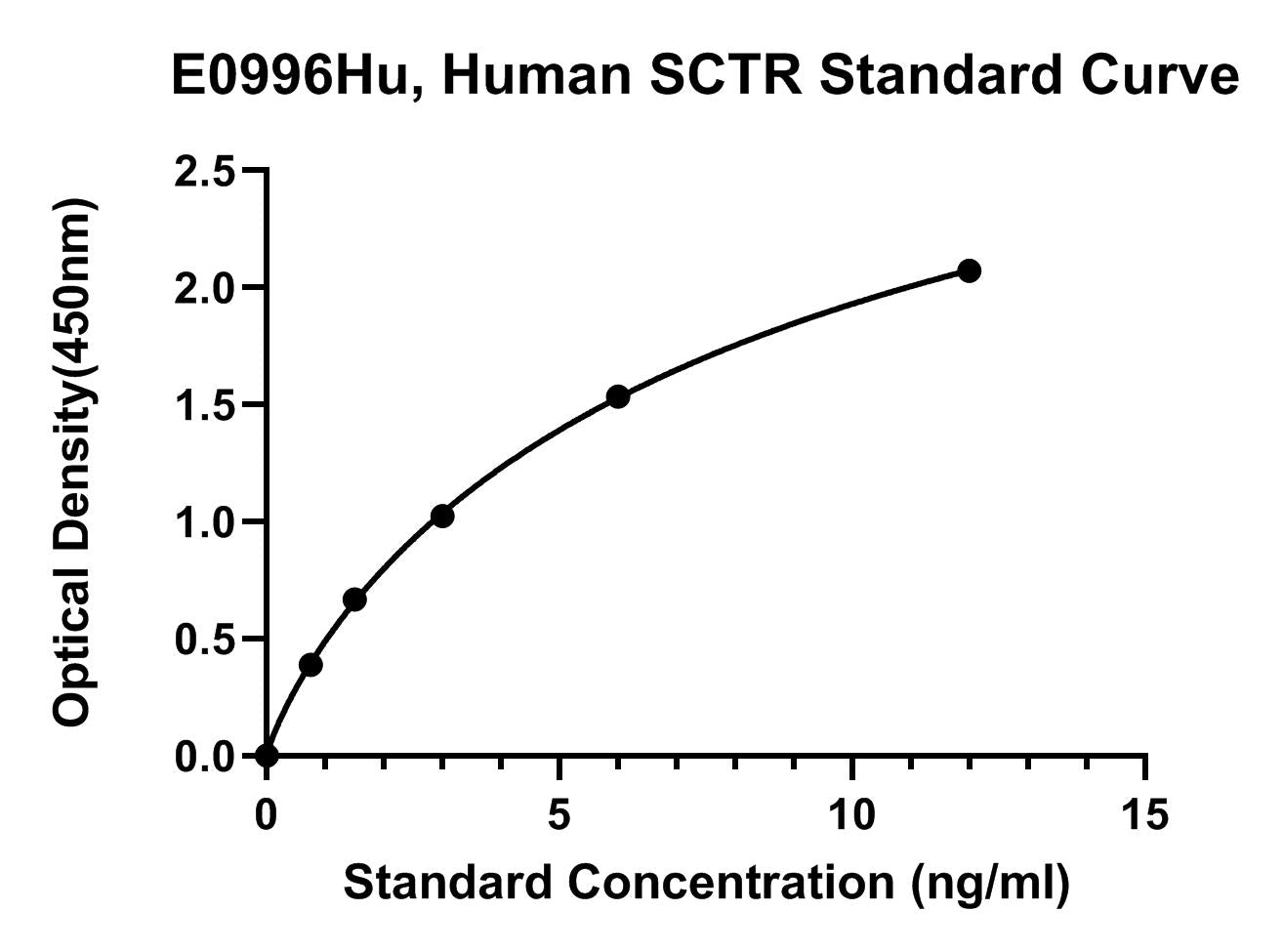
The Human (SCTR) Secretin Receptor ELISA Kit measures Secretin Receptor in samples. The plate has been pre-coated with Human SCTR antibody. SCTR present in the sample is added and binds to antibodies coated on the wells. And then biotinylated Human SCTR Antibody is added and binds to SCTR in the sample. Then Streptavidin-HRP is added and binds to the Biotinylated SCTR antibody. After incubation unbound Streptavidin-HRP is washed away during a washing step. Substrate solution is then added and color develops in proportion to the amount of Human SCTR. The reaction is terminated by addition of acidic stop solution and absorbance is measured at 450 nm.
Catalog No:
E0996Hu
Regular price
$595.00 USD
Regular price
$458.00 USD
Sale price
$595.00 USD
Unit price
/
per
2.5 weeks
Couldn't load pickup availability
Product Details
Species Reactivity
Human
Sensitivity
0.024 ng/mL
Detection Range
0.05-20 ng/mL
Sample Type
Serum, plasma, cell culture supernates
Incubation(s)
1.5 hour(s)
Background
Receptor for secretin (SCT), which is involved in different processes such as regulation of the pH of the duodenal content, food intake and water homeostasis (PubMed: 7612008, PubMed: 25332973). The activity of this receptor is mediated by G proteins which activate adenylyl cyclase (By similarity). Upon binding to secretin, regulates the pH of the duodenum by (1) inhibiting the secretion of gastric acid from the parietal cells of the stomach and (2) stimulating the production of bicarbonate (NaHCO(3)) from the ductal cells of the pancreas (By similarity). In addition to regulating the pH of the duodenal content, plays a central role in diet induced thermogenesis: acts as a non-sympathetic brown fat (BAT) activator mediating prandial thermogenesis, which consequentially induces satiation. Mechanistically, secretin released by the gut after a meal binds to secretin receptor (SCTR) in brown adipocytes, activating brown fat thermogenesis by stimulating lipolysis, which is sensed in the brain and promotes satiation. Also able to stimulate lipolysis in white adipocytes. Also plays an important role in cellular osmoregulation by regulating renal water reabsorption. Also plays a role in the central nervous system: required for synaptic plasticity (By similarity). Source: UniProt Consortium (2025)
Shipping Condition
Shipped on cold gel packs.
Storage Condition and Shelf Life
2-8C
Analyte
Secretin Receptor
Regulatory Status
For Research Use Only