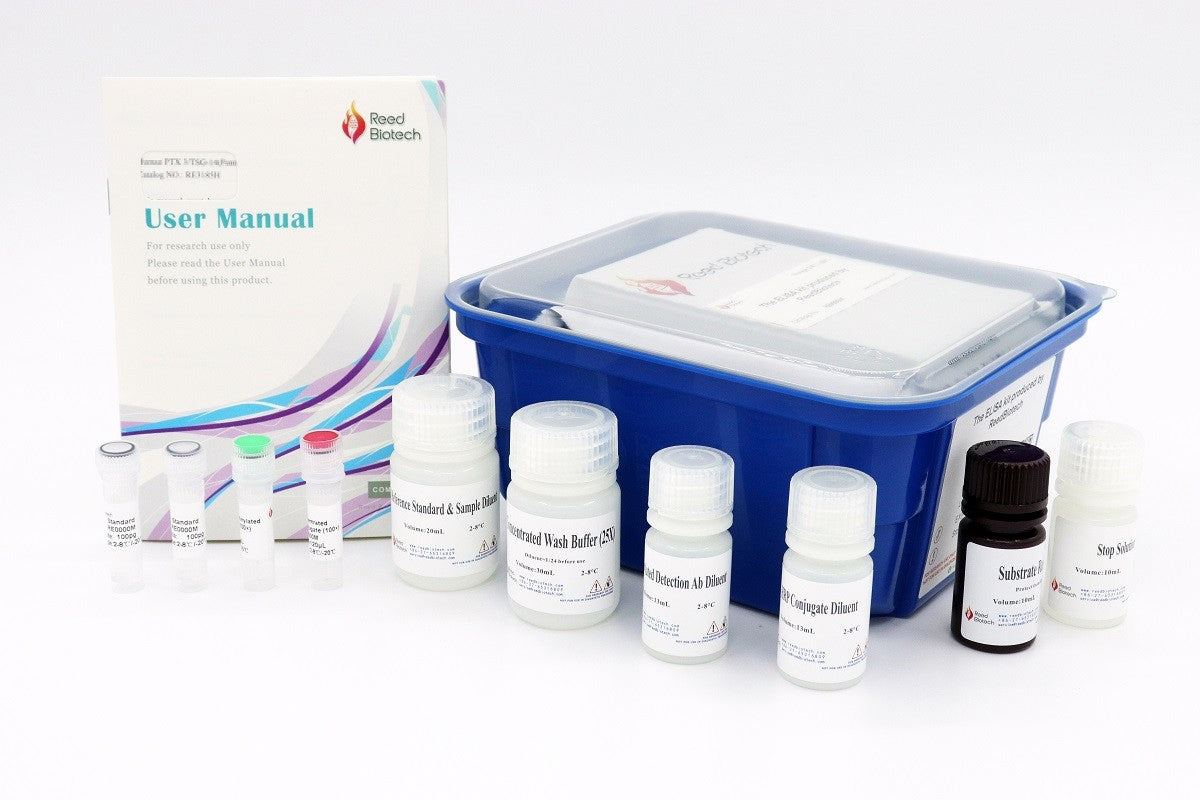
Plant SA (Salicylic Acid) ELISA Kit
Plant SA (Salicylic Acid) ELISA Kit
For the quantitative determination of endogenic Plant SA (Salicylic Acid) concentrations in plant tissues.
Couldn't load pickup availability
Product Details
Key Functions:
1. Defense Mechanism: SA is crucial for the plant's response to biotic stresses, particularly infections from fungi, bacteria, and viruses. When plants are attacked by pathogens, SA accumulates at the site of infection and triggers a systemic response that prepares other parts of the plant to resist future attacks. This is part of the systemic acquired resistance (SAR), which is a form of immune memory.
2. Regulation of Immune Responses: SA plays a role in activating defense genes in the plant, often by interacting with other plant hormones like jasmonic acid (JA) and ethylene (ET), which are also involved in defense responses. It influences signaling pathways that lead to the expression of pathogenesis-related (PR) genes and the synthesis of defensive compounds such as phytoalexins.
3. Growth Regulation: In addition to its role in immunity, SA also influences plant growth and development. It is involved in processes like seed germination, root development, and leaf senescence (aging). In some plants, high levels of SA can suppress growth, but it can also help in promoting flowering and fruit ripening in certain species. 4. Thermogenesis: In certain plants, especially in some species of Araceae (like the corpse flower), SA plays a role in regulating thermogenesis, or the production of heat, which helps with attracting pollinators.
Production and Biosynthesis:
Salicylic acid is synthesized in plants from phenylalanine, an amino acid, through a series of enzymatic reactions. Once produced, SA can be conjugated to form salicylate conjugates, which are inactive forms that can be stored or transported. When needed, these conjugates are converted back into active SA. (Description enhanced by AI using Wikipedia and other resources as references)